Installing a heat pump can provide efficient heating and cooling from a single system, making it an attractive option for New York homeowners looking to improve year-round comfort. But before installation day arrives, several important steps help determine which system is appropriate and how the project should be completed.
For homeowners researching heat pumps installation in Chester, NY, understanding the process from the initial assessment through final testing can make planning easier. P&M Mechanical, based in Port Chester, NY, provides professional HVAC installation and system upgrades tailored to individual homes and comfort needs.
Step 1: Start With an In-Home Assessment
The process begins by evaluating your home and current HVAC setup. This gives the technician an opportunity to understand your comfort concerns and determine what type and size of heat pump may be appropriate.
The assessment may consider factors such as:
- Home size and layout
- Existing heating and cooling equipment
- Condition of accessible ductwork
- Electrical requirements
- Indoor and outdoor unit locations
- Heating and cooling demands
Proper system sizing is especially important. An appropriately selected heat pump helps provide consistent comfort and efficient operation rather than relying on equipment that is too large or too small for the home.
Step 2: Select the Heat Pump and Plan the Installation
After the assessment, homeowners can review suitable equipment options and discuss the installation plan.
P&M Mechanical works with high-efficiency HVAC equipment from manufacturers including Samsung, Bosch, Bryant, Coleman, and Fujitsu. The right choice depends on the property’s configuration, comfort requirements, existing HVAC infrastructure, and other project-specific factors.
At this point, homeowners should also ask about expected project scheduling and anything that needs to be completed before installation.
Step 3: Prepare Your Home
A little preparation can make installation day more efficient.
Clear furniture, stored belongings, landscaping, or other obstacles from areas technicians will need to access. Depending on the installation, this could include the existing HVAC equipment, electrical panel, thermostat location, outdoor equipment area, or spaces where indoor units will be installed.
If you’re replacing an existing system, removal and disposal of old equipment may also need to be incorporated into the project.
Step 4: Complete the Heat Pump Installation
Installation requirements vary according to the type of system and the home’s existing infrastructure.
Technicians may need to:
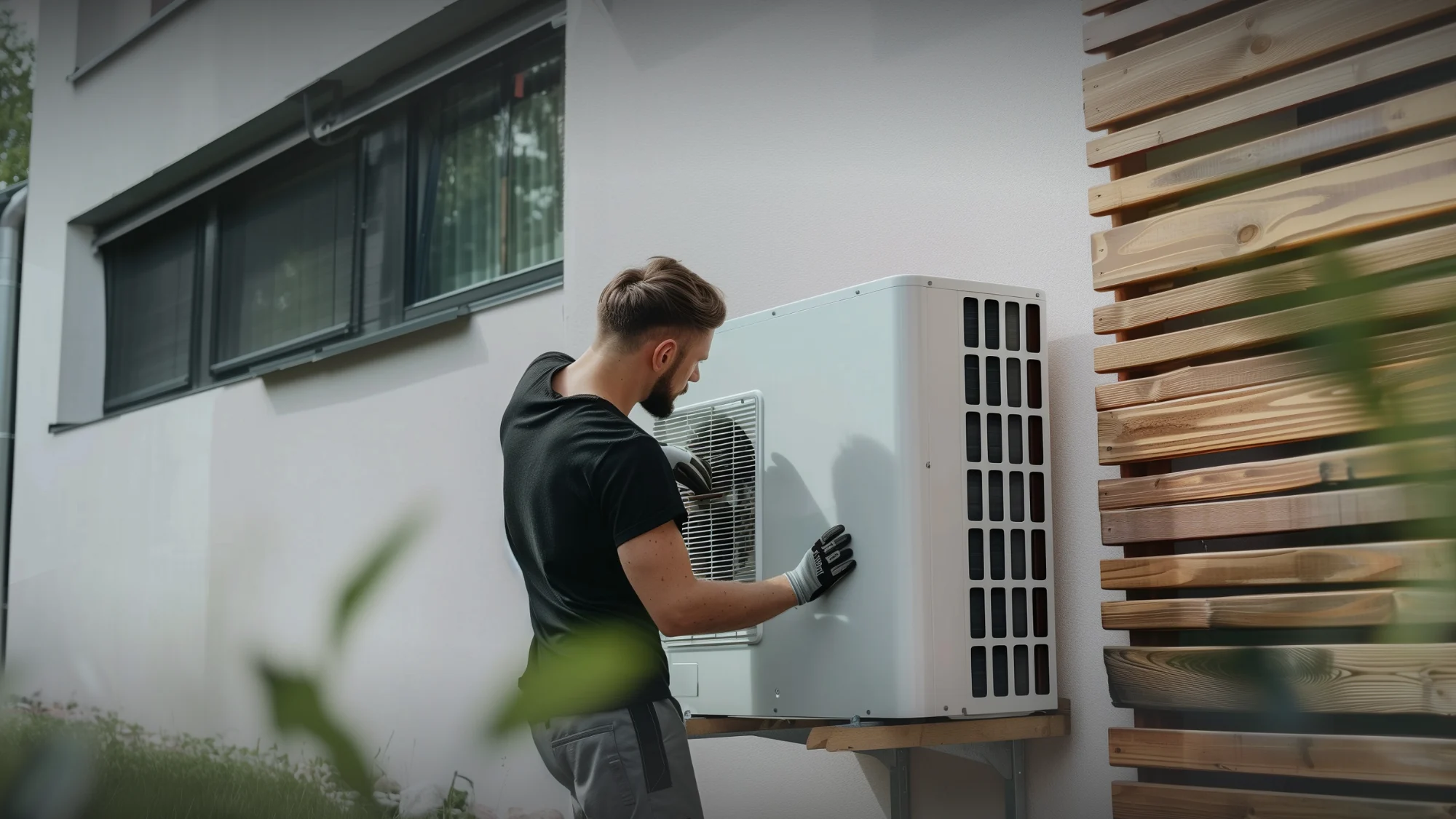
- Position and secure the outdoor equipment.
- Install the appropriate indoor components.
- Run refrigerant lines and necessary connections.
- Complete electrical and drainage connections.
- Connect or modify ductwork when required.
- Install or configure system controls.
A straightforward replacement can differ considerably from a project requiring multiple indoor units, electrical work, or modifications to existing ductwork. That’s why there isn’t one installation timeline that applies to every home.
Step 5: Test and Fine-Tune the System
Physical installation isn’t the final step.
Once the equipment is connected, technicians test the heat pump to verify that the system is operating properly. Depending on the installation, this may involve evaluating airflow, temperature control, system operation, connections, and thermostat or control settings.
Any necessary adjustments identified during startup can then be addressed before the project is considered complete.
What Can Affect Your Installation Timeline?
When researching heat pumps installation in Chester, NY, homeowners should remember that several property-specific factors can influence how quickly a project is completed.
Common variables include the type of heat pump, number of indoor units, accessibility of installation areas, condition of existing ductwork, electrical requirements, removal of old equipment, and whether additional HVAC modifications are necessary.
Equipment availability and the overall complexity of the project can also influence scheduling.
Your HVAC contractor should be able to provide a more realistic project expectation after evaluating your home.
Step 6: Learn How to Operate and Maintain Your New System
Before wrapping up, take time to understand your new heat pump.
Ask how to operate the thermostat or controls, adjust comfort settings, replace or clean applicable filters, and recognize signs that professional service may be necessary.
Routine maintenance is also important after installation. P&M Mechanical provides HVAC maintenance services designed to keep heating and cooling equipment operating properly and help identify developing problems before they become larger concerns.
Plan Your Heat Pump Installation With P&M Mechanical
A successful heat pump project involves more than simply installing new equipment. Proper assessment, system selection, preparation, installation, testing, and ongoing maintenance all contribute to long-term comfort and performance.
If you’re exploring heat pumps installation in Chester, NY, contact P&M Mechanical to discuss your home’s heating and cooling needs and learn what to expect from your specific installation project.